Understanding Feedstock Availability. Securing Sustainable Supply.
Dr Gail Shuttleworth
Senior Consultant
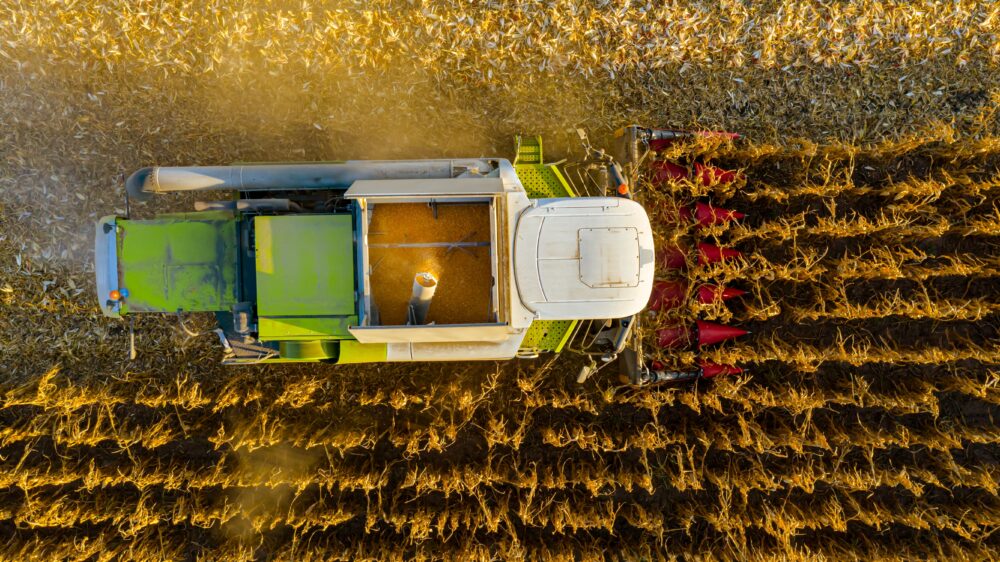
Ensuring a secure, sustainable biomass supply starts with understanding what is available, where it can be sourced and how supply could change over time.
Our Expertise
For over 20 years Alder BioInsights has helped developers, investors and policymakers understand biomass availability, translating complex feedstock data into practical insights to enable informed decision making.
How We Can Support You
Our proprietary Feedstock Database is an established internal tool which provides a structured starting point for assessing UK feedstock resources, at county, regional and national level.
Beyond the Headline Figures
Headline figures for agricultural production, forestry, food processing or waste arisings rarely tell the whole story.
The key question is whether there is enough of the right feedstock, in the right place, at the right quality and price, to support a viable process in the near, medium and longer term.
The database underpins and evidences expert Alder analysis to go beyond identifying key feedstocks to determining what is realistically available and what can actually be secured, also considering competing demands.
What the Database Covers
The database is organised around the main UK biomass and organic resource groups:
Livestock wastes, including manure, slurry and litter
Primary crops, crop residues, and other field residues
Agrifood processing residues
Forestry resources and residues
Commercial waste, household food waste and other consumer waste streams
Other relevant biomass and organic resources
From Data to Intelligence
Through source data and primary analysis, the database underpins Alder’s assessments of biomass availability providing a clear evidence chain.
Depending on the feedstock and source data, information can extend to county level or even smaller. The database records and derives information on volumes, location, seasonality, composition, energy potential and realistic availability.
It supports subsequent analysis on competing markets, possible uses and restrictions that may affect access or suitability.
Primary data from publicly available, referenceable sources with a defined methodology, including government statistics and regulatory datasets.
Secondary analysis converts those data into relevant feedstock measures. For example, livestock numbers can be translated into estimates of manure and slurry production.
Tertiary analysis tests what proportion may be collectable or accessible, using published parameters and specialist knowledge where direct data are unavailable.
Transparent and traceable data
Biological feedstocks and the datasets used to describe them are inherently variable. Sources may use different geographic boundaries, definitions, reporting periods or collection methods. Some cover all material produced, while others capture only material reported through a particular regulatory or collection system.
Alder retain the source, date, methodology and calculation route so users can see how an estimate was produced and what it represents. Assumptions and limitations remain explicit, especially where data are incomplete, older, based on sampling methodologies, or dependent on proxies. This avoids false precision and allows alternative methods to be compared where appropriate.
Where sources use different units, classifications or boundaries, we normalise the data carefully before combining them. Drawing on more than 20 years’ applied bioeconomy experience, our consultants sense-check outputs against technical knowledge and industry insight, helping distinguish a plausible estimate from a figure that may be statistically correct but commercially misleading.

Supporting Decisions from Screening to Commercial Scale
The database provides a consistent starting point for screening potential feedstocks and identifying those offering the strongest opportunity. Alder can then build a more detailed assessment around the client’s question, including supply radius, collection and transport, quality variation, existing uses, feedstock cost, sustainability and long-term resilience.
This helps clients identify where untapped resources are located, what they could be used for and where they may deliver the greatest value. It also provides a clear view of the opportunity, the constraints and the evidence gaps that need to be addressed before major technical or investment decisions are made.
Alder BioInsights turns feedstock data into commercial insight for technology development, site selection, commercial strategy, investment cases and collaborative R&D.